
Let’s be honest—there’s no magic number for how many credit cards you should own. That’s where people usually get tripped up.
Some folks stick with just one card and miss out on all kinds of rewards. Others keep signing up for new cards just because, and soon they’re drowning in bills and due dates.
The real answer? It all comes down to your income, how you spend, and whether you’re disciplined about paying up on time.
Think through the trade-offs. Find what fits your financial life, not someone else’s.
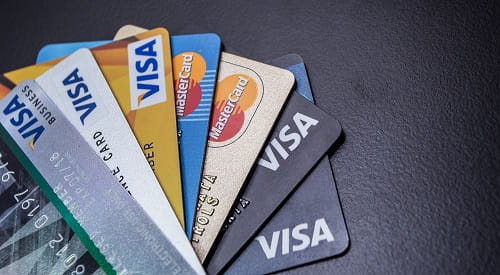
Why Bother with More Than One Card?
For most people in India, having two or maybe three credit cards just makes sense. Here’s why:
– Not all cards are built the same. One could give you great cashback on restaurants, another might save you money on fuel, and a third could reward you for shopping online.
– More cards mean a higher total credit limit. If you manage your spending, that keeps your credit utilization low—which is good for your credit score.
– If one card gets declined or frozen, you’ve got a backup.
– Paying several cards on time helps build a strong credit history.
– And here’s a fun fact: India’s credit card market is set to hit 200 million active cards by 2028-29. Responsible card usage is basically the new normal.
The Downsides of Owning Too Many Cards
But there’s a tipping point—once you’ve got more than three, things usually start to get messy.
– More cards mean more due dates. If you Miss one payment, and your credit score takes a hit.
– Every time you apply for a card, your credit report gets a hard inquiry, which can impact your score down for a bit.
– Bigger credit limits can tempt you to spend more than you should and cover.
– Annual fees on cards you barely use just eat away at your money.
– Applying for several cards in a short span looks bad to lenders. It screams, “I’m desperate for credit!” and that can hurt your chances of getting loans or new cards later.
So, How Many Is Right for You?
Here’s a simple way to look at it:
– If you’re new to credit or just starting out, one card is enough.
– Most working adults do best with two or three.
– If you’re a high earner, have lots of different expenses, and you’re great at managing payments, you might handle four or more.
No matter how many cards you have, watch your credit utilization. Try to keep each card’s balance below 30% of its limit. If you max out one card—even if the others are empty—your score will suffer.
Wrapping Up
The goal isn’t to collect as many credit cards as you can. It’s about making smart use of the ones you have. Two or three cards, each with a clear purpose and paid off every month, will do a lot more for you than a stack of half-forgotten plastic. Before you add another card to your wallet, ask yourself: Does it really give you something new and useful? If not, you’re probably better off with what you’ve got.