
Manufacturers that once relied on distributors and dealers to reach buyers are increasingly selling straight to the end user. It’s easiest to see in consumer goods, but it’s happening across industrial parts, equipment and components too, where a producer with a working website and a shipping account can handle work that used to require a regional wholesaler. For buyers, that usually means a shorter route between the factory and the loading dock.
The appeal on the manufacturing side is margin and information. Selling through a distributor means giving up a chunk of the retail price and losing sight of who the customer actually is and why they stop buying. Going direct recovers both, though it hands the producer a list of jobs the distributor used to absorb, and the businesses that get this wrong are usually the ones that counted the margin and forgot the workload.
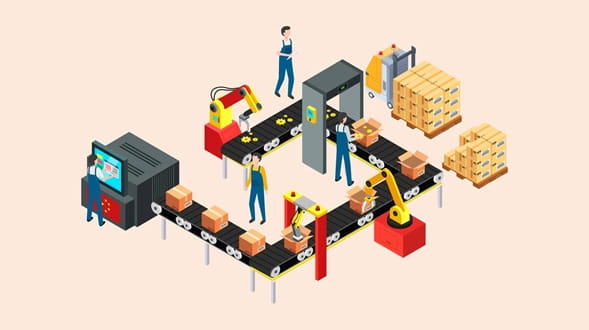
Why the Middle Layer Is Being Removed
Margin is the first reason, and it’s a large one. A distributor typically buys at a substantial discount and resells at list, so a producer selling the same unit itself keeps money that previously left the business at the warehouse door. Direct sales also give the manufacturer real demand data rather than order patterns filtered through a wholesaler’s stocking decisions. Knowing which model sells where, and how often it’s replaced, feeds back into production planning.
Selling Straight to End Users Online
Running a storefront no longer requires custom software or a national warehouse network, which is why small producers have been able to do this at all. Florida Finest Custom Works manufactures and sells truck parts through its own site, taking orders from drivers and small fleets that would once have gone through a parts distributor or a dealer counter. The setup is unremarkable by e-commerce standards, and that’s rather the point.
What a Producer Takes On When the Distributor Leaves
Everything the distributor did still has to happen, only in-house. That means picking single units instead of shipping pallets, answering technical questions customers used to ask a counter rep, handling returns, carrying credit risk and forecasting demand without a wholesaler’s stock to buffer it. Nike spent several years reducing its wholesale accounts before restoring a number of them, which gives a sense of how much reach a distribution network quietly provides.
Where Distributors Still Earn Their Margin
Local stock, credit terms and installation support are hard to replicate from a single factory, particularly for buyers who need a part the same day. Distributors also aggregate, so a contractor can order twelve items from one supplier instead of eight manufacturers. Plenty of producers have landed on a split approach, rebalancing direct sales against wholesale rather than choosing one channel outright.
What This Means If You’re Buying
Check the manufacturer’s own site before going to a distributor, especially for parts and equipment where the producer is small enough to ship directly. Compare total delivered cost rather than headline price, since a distributor holding local stock may still win once freight and downtime are counted. The chain isn’t disappearing so much as getting shorter in places, and knowing which suppliers sell both ways puts you in a better position on price.
 Meghna Sharma