
The way the world produces energy is changing. Fossil fuels are limited, expensive, and harmful to the environment. As a result, countries, businesses, and communities are turning to cleaner options. This shift has made renewable energy an essential part of long-term power planning.
Renewable energy focuses on sources that naturally replenish over time. These sources reduce emissions, improve energy security, and support sustainable growth. Understanding how these systems work helps individuals and organizations make informed decisions about their energy future.
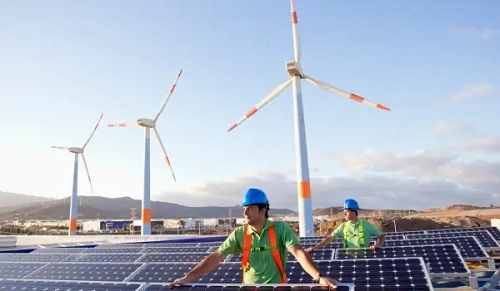
What are Renewable Energy Systems?
Renewable energy systems generate electricity or usable power from natural resources, including sunlight, wind, water and organic materials. As compared to coal or oil, these resources do not run out when used responsibly.
A typical system includes a power source, conversion equipment, control systems and storage or grid connection. The design depends on location, energy demand and environmental conditions. When planned wisely, these systems can deliver stable and reliable power for decades.
Key Types of Renewable Energy
Different renewable sources serve different needs. Each source has its advantages and disadvantages.
1. Solar Energy
Solar power is generated by photovoltaic panels or solar thermal collectors that capture sunlight. It works well in areas with strong daylight exposure. Solar systems are modular, which means they can power a single home or a large utility-scale plant. The maintenance needs are low, which makes solar one of the most widely adopted clean energy options.
2. Wind Energy
Wind turbines convert moving air into electricity. Onshore wind farms are common in open plains and coastal areas. Offshore wind is growing due to stronger and more consistent wind speeds. Wind power is cost-effective at scale but it depends heavily on the location.
3. Hydropower
Hydropower uses flowing water to move turbines. Large dams provide steady base-load power, while small hydro projects serve local needs. It is reliable but requires careful planning to limit environmental and social impact.
4. Biomass Energy
Biomass comes from organic materials like agricultural waste, wood and biogas. These materials are burned or processed to produce energy. Biomass can support waste management goals but emissions control is important to keep it sustainable.
How Renewable Energy Systems Work Together
Modern power networks often combine multiple renewable sources. This approach balances supply and demand. For example: solar power may peak during the day, while wind output increases at night. Energy storage systems, like batteries, help store surplus power and release it when required.
Smart monitoring tools also play a key role. They track energy generation, usage and system health in real time. This improves efficiency and reduces downtime.
Large clean energy developers now design integrated solutions that combine generation, storage and digital control under a single framework. This approach improves reliability and long-term performance.
Leading companies like Hero Future Energies deliver these integrated solutions at scale, supporting India’s renewable energy targets with proven solar, wind and hybrid projects.
Benefits of Switching to Renewable Energy
Renewable power reduces dependence on imported fuels. It stabilizes energy costs over time. Once installed, operating expenses are predictable. Many systems also qualify for government incentives and policy support.
India leads this transition with ambitious renewable targets and supportive policies, making clean energy projects both practical and profitable.
From a business perspective, renewable energy improves brand credibility. It supports environmental, social and governance goals. For communities, it creates jobs in construction, operations and maintenance.
Over time, renewable energy systems also reduce health costs linked to air pollution. This makes them a practical choice, not just an ethical one.
Challenges to Consider
Renewable energy is not without challenges. Intermittency is a key concern. Solar and wind depend on weather conditions. That is why storage and grid planning matter.
Initial setup costs can also be high. However, prices have dropped sharply in recent years. Long-term savings often outweigh upfront investment.
Land use, environmental impact and local regulations must be addressed early in the planning process. Proper site assessment and stakeholder engagement help avoid delays.
The Role of Technology and Innovation
Technology continues to improve system performance. More efficient panels, larger turbines and better batteries are reshaping the energy sector. Digital tools now allow remote monitoring and predictive maintenance.
Some energy companies are investing heavily in large-scale clean power projects across solar, wind and hybrid models. These efforts support national energy goals and help accelerate the transition to low-carbon power.
Innovation is also making renewable energy accessible to smaller users. Rooftop systems, microgrids and community projects are growing fast.
Conclusion
The future of energy is clearly moving toward clean and sustainable sources. Governments are setting stronger targets, businesses are committing to net-zero goals, and consumers are becoming more aware of their energy choices.
Renewable energy systems will continue to evolve as technology improves and costs decline. The focus will shift from adoption to optimization. Efficiency, storage and grid integration will define the next phase of growth.