
Welding cast iron is very different from working with mild steel or aluminium. While cast iron is valued for its strength and wear resistance, its high carbon content makes it brittle and prone to thermal cracking. As a result, even a small error in electrode selection can lead to cracks, weak joints or repeated repairs. Choosing the right cast-iron welding electrode is therefore a critical step in achieving reliable industrial repairs.
Understanding Cast Iron Welding in Industrial Repairs
Cast iron is widely used in industrial equipment, including machine bases, pump housings, engine blocks, pipes, gear casings and other heavy-duty components. These parts are routinely exposed to vibration, pressure and temperature variation during operation. When repairs are required, welding must restore structural integrity without introducing new weaknesses.
The main challenge with cast iron welding lies in its cooling behaviour. Cast iron cools rapidly, which increases the risk of cracking during or after welding. Carbon in the material can also form hard, brittle zones that reduce ductility. Standard steel electrodes often fail under these conditions. Using specialised Cast Iron Welding Electrodes, such as those offered by Superon Technik, helps manage heat input more effectively and minimise internal stresses, resulting in stronger, more reliable welds in critical industrial applications.
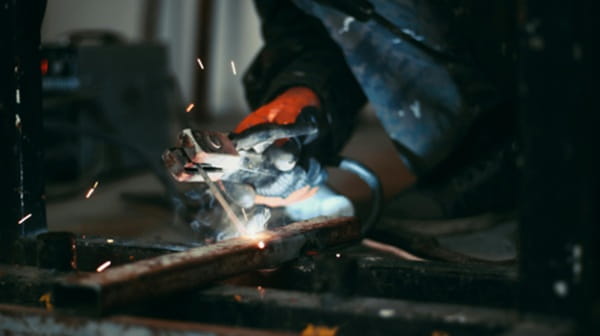
Types of Cast Iron Welding Electrodes
Before selecting an electrode, it is important to understand the main categories available and where each performs best.
Nickel-Based Cast Iron Electrodes
Nickel-based electrodes are among the most widely used options for cast iron repairs. They offer excellent crack resistance and very good machinability after welding, allowing the repaired area to be drilled, ground or machined with ease.
These electrodes are well-suited for repairs that demand accuracy and surface finish, such as engine blocks, machine housings and precision components. They are particularly effective when welding grey cast iron, which is commonly found in industrial equipment.
Steel-Based Welding Rods for Cast Iron
Steel-based electrodes are typically selected when joint strength is prioritised over appearance or post-weld machinability. They produce strong weld deposits but are considerably harder to machine after welding.
These rods are often used for heavy-duty repairs where finishing is not required, such as structural brackets or thick cast-iron sections subjected to high loads. Careful control of preheating and cooling is essential when using steel-based electrodes to avoid cracking.
Nickel Iron Cast Iron Electrodes
Nickel-iron electrodes provide a balance between strength and machinability. They offer higher strength than pure nickel electrodes while remaining easier to machine than steel-based rods.
These electrodes are suitable for industrial environments where components are exposed to vibration, mechanical stress or outdoor conditions. They are also commonly used to join cast iron to other metals, a frequent requirement in repair and maintenance work.
Why Electrode Selection Matters
Using an unsuitable electrode for cast iron welding can lead to several issues, including:
- Cracks forming during welding or after cooling
- Poor fusion between the base metal and the weld deposit
- Porosity and weak weld beads
- Reduced the service life of the repaired component
The correct cast-iron welding electrode helps manage heat flow, reduce residual stress and improve weld integrity. This results in stronger repairs and better long-term performance in service.
Factors to Consider When Choosing a Cast Iron Welding Electrode
Electrode selection should be based on more than just material type. Several practical considerations play an important role.
- Type of Cast Iron: Grey cast iron is generally the easiest to weld and is commonly used in machinery and engine components. White cast iron is extremely hard and brittle, while malleable cast iron requires careful heat control to prevent cracking. Identifying the cast iron type guides electrode selection and welding procedure.
- Requirement for Post-Weld Machining: Repairs that require machining after welding need electrodes with good machinability. Nickel-based and nickel-iron electrodes are usually preferred over steel-based rods for these applications.
- Welding Environment: Outdoor repairs exposed to wind, moisture, or temperature fluctuations benefit from electrodes with stable arc characteristics and good weld pool control. In workshop settings, precision, clean bead appearance and controlled deposits are often more important.
- Preheating and Cooling Control: Preheating slows the cooling rate and reduces cracking risk. Some electrodes tolerate lower preheat, which is advantageous in field repairs. Controlled post-weld cooling minimises internal stress and enhances weld quality.
- Welding Process Used: Stick welding is most common for cast iron, though TIG welding is used for precision work. Electrodes or filler materials must be compatible with the process. Cast iron welding differs from stainless steel welding, which focuses on corrosion resistance and ductility rather than high carbon content and brittleness. Using the correct consumables is crucial to avoid weld failure.
It is also important to note that cast iron welding is fundamentally different from welding stainless steel. A stainless steel welding rod is designed to meet the metallurgical and corrosion-resistance requirements of stainless steel, not the high carbon content and brittleness of cast iron. Using the correct consumables for each material is essential to avoid weld failure.
Conclusion
Industrial repairs demand strength, durability and consistency. Selecting the correct cast-iron welding electrode is critical to achieving these outcomes. With proper electrode selection, controlled heat input and sound welding practices, even complex cast-iron repairs can deliver dependable long-term performance and reduced downtime.
 Meghna Sharma